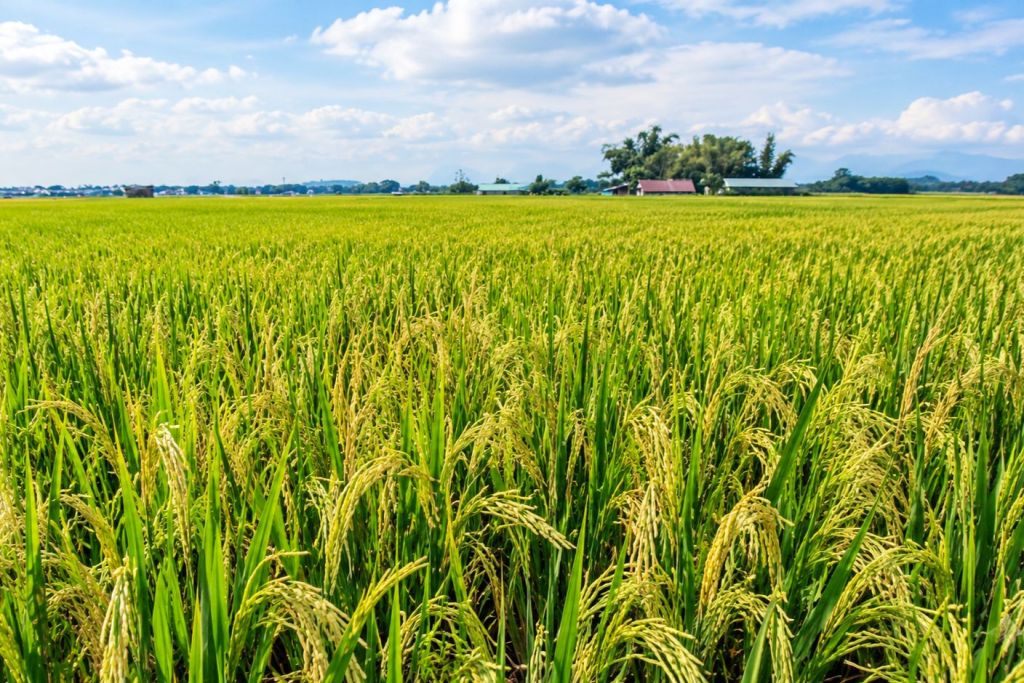
Living in Pampanga, I have grown used to seeing the rice fields turn gold in October.
Harvesting machines travel from field to field on the roads while workers harvest the palay, bag it, and lay it out to dry. This time of year is called tag-ani. The harvesting season when months of waiting and hard work finally begin to bear fruit.
While there is beauty in seeing the fields turn gold, there are also farmers who have taken care of their crops for months putting aside their savings with hope that their hard work will bear enough fruit to feed their families.
Why October Harvest Matters
The October harvest comes after months of hard work and uncertainty, as discussed in my previous blogs. Farmers have to face the challenges of extreme heat and heavy monsoon rains, both of which threaten their crops and livelihoods.
There is a sense of relief when the time comes for the palay to finally be ready for harvest, but harvesting is only half of the process, as farmers now must find buyers and be able to earn enough to cover up their expenses to prepare for the next planting season.
To them, the harvest represents a time to see the fruits of their labor and recover the hard-earned money they invested.
The Work Does Not End in the Fields
When you look at the freshly harvested palay, you will be reminded that someone has taken good care of them for months. But the task of the farmers does not end here. They still need to dry, store and bring it to the rice mill for processing.
The weather is still a big factor in the lives of the farmers after the harvest. If ever it rains while the palay is drying, it may decrease the value of their product. After all the effort and expenses for seeds, fertilizers, and labor, they still need to find buyers that would give them a good amount of money.
Piles of freshly harvested palay may look like the end of a long season. But behind those golden grains are farmers still working to make ends meet and preparing for the next planting season.
For them, every harvest is both an ending and a new beginning. And as we enjoy the rice on our tables, it is worth remembering the work that continues long after the harvest, the effort to turn months of labor into a livelihood and the hope of being able to plant again.
When a Good Harvest is Not Good Enough
A field full of golden grains doesn’t necessarily mean that it will bring in a good income.
Farmers must pay for seeds, fertilizer, labor, fuel, machinery, and other production costs before they can sell their palay. Even with a good harvest, a low buying price can still leave them struggling to cover costs. After they sell the harvest, the next planting season begins with added costs and uncertainty.
That is why fair buying prices, affordable farm supplies, access to drying facilities, and better market opportunities all matter. Farmers need a fair opportunity to make a living for the food they grow.
They are in the same boat as we are, with bills to pay and children to look after, just like we do every day. They should have a fair chance to provide for their families through hard work.
More than a Source of Food
Rice farming is a significant part of life in the Philippines, and its benefits reach far beyond the farmers themselves, as everyone involved also relies on it. Whether they are workers, machine operators, drivers, or mill workers, they all rely on this activity to make a living. Farmers struggle, and if they fail, it affects us all.
While we don’t work in the fields ourselves, we still rely on those who do. We reap the benefits of their hard work every time we eat, even though we rarely think about the effort it takes to get food onto our plates.
Beyond the Golden Fields
As the fields turn gold in October, may we notice the hard work behind the scene.
While the golden rice is a pleasing sight, it is just as important to care for the people who grew it.
Soon, the palay will be taken from the fields, and the farmers will prepare for the next planting season. The cycle will continue, with more expenses, another period of hard work, and the hope that the next harvest will be better.
Rice is part of most of our daily meals. We rarely consider the costs, the risks, and the long hours. However, each plate exists because someone is willing to do that work, even if they don’t know if the reward will be enough.
Although the golden fields are beautiful, the people working behind the scenes deserve more than our admiration. They should be paid fair prices and given the support and opportunities to live a decent life from the work that feeds us all.


Leave a Reply