A farmer can spend months waiting for a harvest, only to watch it disappear in a matter of hours.
That became a painful reality for farmers across the Philippines in 2026. Rice fields were submerged, vegetables ruined, fishing communities left with boats and gear destroyed, and families picking up the pieces of their lives, starting over and over again.
The Philippines is no stranger to typhoons, as its farmers well know. They’ve learned to live with the long nights of waiting for the rain to come, to watch the skies darken, and to take stock of the damage with each storm. But this year, it seemed as if the rain wouldn’t stop.
The agricultural damage nationwide reached more than P4 billion by early September, affecting 97,589 farmers and fisherfolk and more than 81,383 hectares of cropland and fisheries.
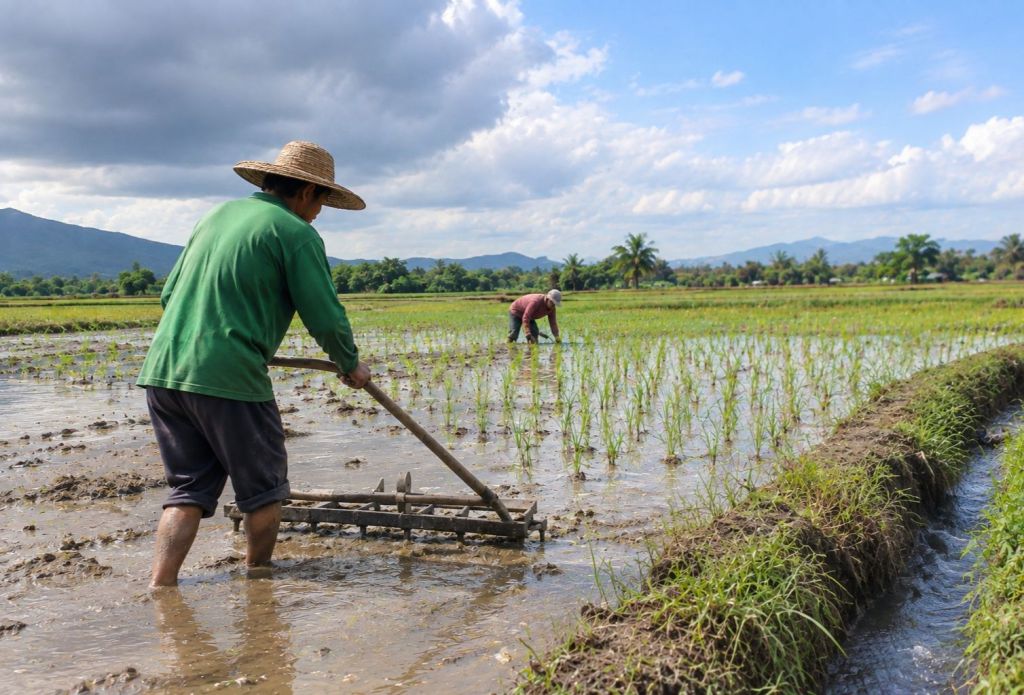
For a farmer, a hectare can represent months of planting, of hard-earned money invested in seeds and fertilizers, of a crop that could have gone into paying off debts, or sending their children to school, or simply providing for their family.
That is what makes the story of 2026 bigger than the storm themselves. It is a story about what happens when recovery is repeatedly interrupted, and about whether the people who feed the country can be given enough support to rebuid and keep going.
Because when the rain finally stops, the hardship does not end with it.
A Year of Back-to-back Storms
January – Tropical Storm Ada
The season’s first cyclone, which arrived early in the year. Triggered widespread landslides and flooding in Bicol and Eastern Visayas; over 830,000 people affected.
February – Tropical Storm Basyang
Resulted in P1.48 billion in combined agricultural and infrastructure damage. Iligan City and Surigao del Sur were the first areas to be placed under a state of calamity for the year.
May to June – Typhoon Domeng
Displaced over 85,000 people in the Bangsamoro region, with significant disruptions to agricultural production and fisheries beyond the official figures of damage.
July – Typhoon Inday
Brought the southwest monsoon, or “habagat”, to Luzon in an extended, punishing phase.
Late July to August – Typhoons Luis, Maymay, and Neneng
Struck the Cordillera, Ilocos, and Cagayan Valley regions in quick succession. Resulted in P2.32 billion in agricultural losses and impacted nearly 70,000 farmers and fisherfolk.
September – Southwest Monsoon or “Habagat”
Widespread flooding across Central Luzon and the Visayas pushed the year’s cumulative agricultural loss past P4 billion.
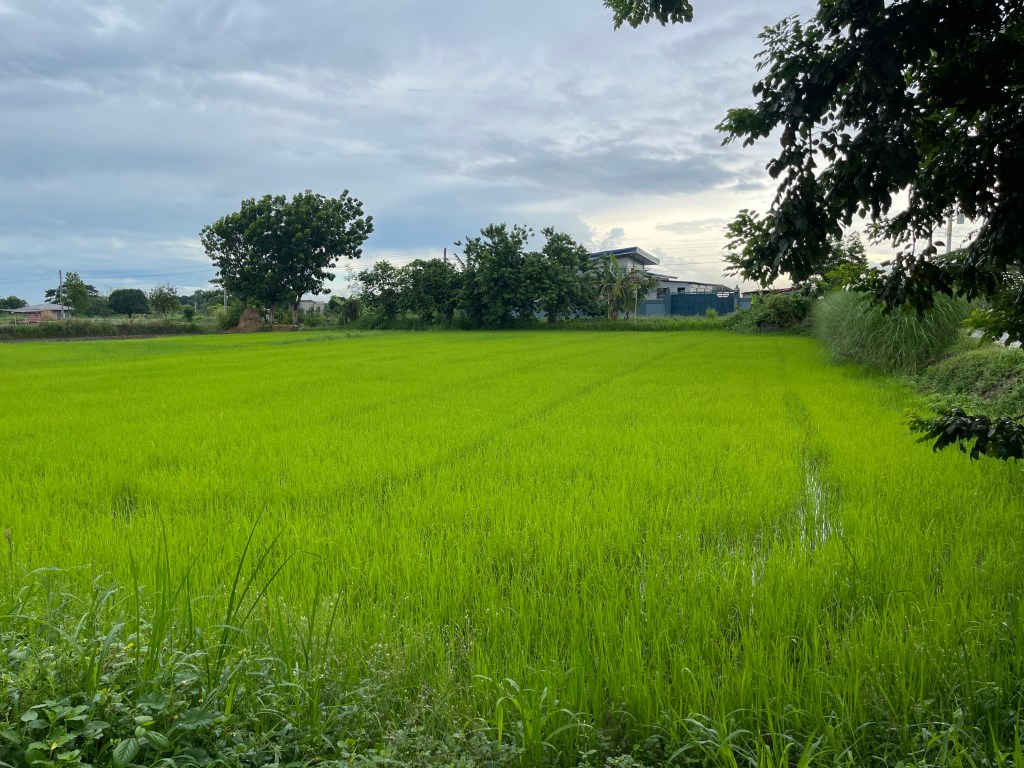
Rice accounted for the lion’s share of the damage, 65,106 metric tons of it, valued at P2.04 billion, was lost to the fields just before harvest.
How the Government Responded
After the storm came the hardest question: How do you begin again when the next storm is already on the horizon? For the Philippine government, the answer came in pieces. Seeds and cash aid reached farmers first, so they could get back into the field. Insurance and credit followed, to soften the loss and help them borrow their way back to a harvest. Engineers went out to check the canals and pumps that carry water to the fields. And slowly, a different idea began to take hold: that help shouldn’t only arrive after the wind and rain, but before it.
Immediate Relief and Recovery
The Department of Agriculture (DA) immediately provided rice, corn and vegetable seeds, animal medicines and fish fingerlings through its regional offices and the Bureau of Fisheries and Aquatic Resources while quick response funds rehabilitated agricultural facilities and production areas damaged in the disaster. KADIWA outlets and price monitoring ensured supplies and affordability of goods in the affected areas.
Putting Money Behind Recovery
To help farmers cope with rising production costs and disaster losses, the P10 billion Presidential Assistance for Farmers and Fisherfolk Program (PAFFP) was launched in April. This provided additional farm support to farmers, fisherfolk and farm workers. In September, the calamity-free government loans of the AGRI-RECOVER Program commenced for small-scale farmers and fisherfolk hit by the disasters. Meanwhile, the Philippine Crop Insurance Corporation (PCIC) released P187 million in indemnities to farmers with crop insurance.
From Reacting to Preparing
Some of the most significant measure taken in 2026 went beyond immediate response and started looking at long-term adaptation. Declaration of a state of calamity not only opened the gates to disaster funds, but also froze prices for 60 days for basic goods. More significantly, anticipatory action was formally adopted for the first time in the Philippines as a disaster-management approach.
In Cagayan, farmers in fishing communities received boats and equipment as a result of a Food and Agriculture Organization-piloted anticipatory action, an approach that shifts disaster response from waiting for damage to preparing ahead of it.
Rebuilding the Infrastructure Farmers Depend On
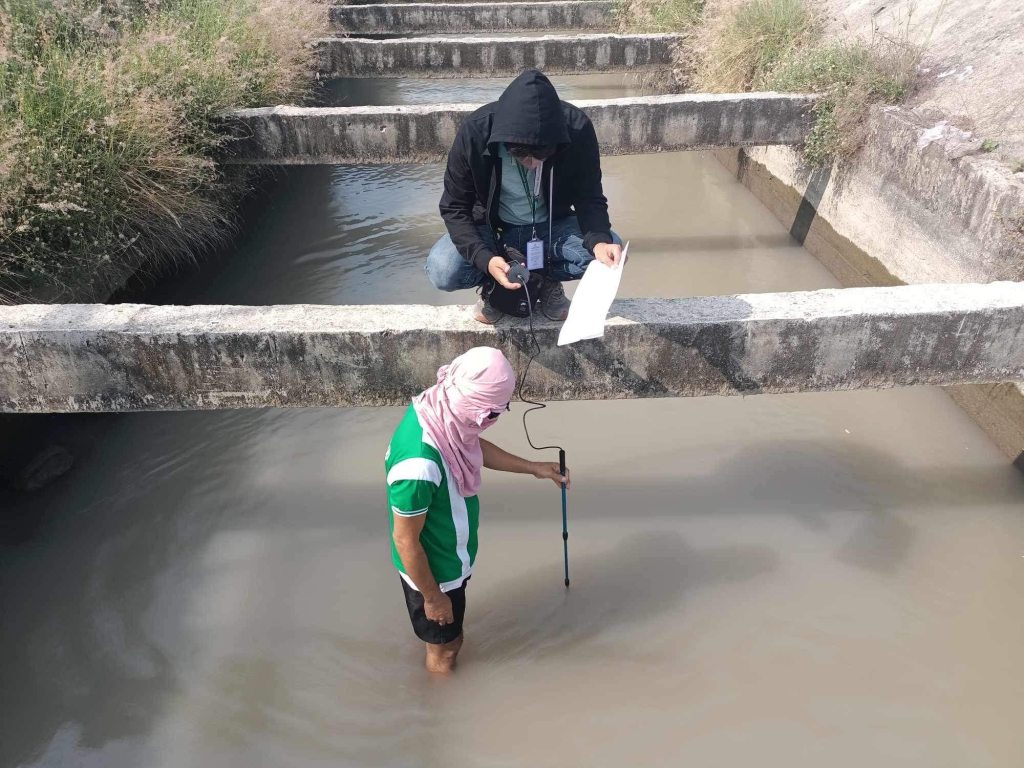
Amid the damages, the National Irrigation Administration (NIA) responded, not just with pledges but with actual fixes and water restored. In Nueva Ecija, NIA rushed to fix the Talavera River canal siphon, restoring irrigation to nearly 40,000 hectares and more than 26,000 farmers, a quick recovery that locals called a “himala” (miracle). In Bulacan, the Bulo Dam was confirmed to be working after being hit by storms, a major source of water for local farms. In Tarlac, the P20.5-billion Balog-Balog project hit the midway mark, bringing the promise of year-round irrigation, flood control and power for more than 21,000 farmers in Central Luzon. NIA teams nationwide inspected dams, working with irrigators associations to see what they needed and what repairs were needed.
A Larger Investment in Agriculture
With a P215 billion 2026 DA budget that is 38% higher than the previous year’s, the government is set to ramp up its efforts in rehabilitating agriculture while Congress is set to act on the proposed FARM RESCUE Act that will institutionalize crop insurance and post-disaster recovery.
What 2026 Revealede
For the Philippine Agriculture, 2026 was a year of storms, losses, and recovery. But the tale is really one of how the country dealt with these crises and managed to turn things around. After all, it takes much more effort to prevent than to recover.
The hardest part was the little time between disasters, as farmers were still recovering when another storm arrived. The challenge was no longer simply how to respond, but how to keep the agriculture going when there was barely time to recover.
This year also revealed how much the country depends on rice. But behind the figures were farmers who lost income, months of work, and the chance to harvest what they had planted.
And perhaps most importantly, it showed that timing matters. While aid after a disaster is essential, preparing before one strikes can prevent greater losses. The Cagayan anticipatory-action pilot offered a glimpse of what that future could look like.
Because true resilience is not simply finding a way to recover, but finding a better way to prepare.
Sources:
1. BusinessMirror. (2026, September 7). Agriculture sector sustains P4-B damage from storms, habagat.
2. Context.ph. (2026, September 16). Gov’t delivers swift aid and support for weather-hit farmers.
3. Daily Tribune. (2026, August 27). Storms wipe out P2.32B in farm output.
4. Daily Tribune. (2026, September 15). DA-ACPC launches Agri-RECOVER program for farmers, fisherfolk affected by calamity.
5. Department of Agriculture, Philippines. (2022, November 4). Gov’t extends assistance to typhoon-affected farmers/fishers to ensure swift recovery.
6. Global Trade Alert. (2026). Philippines: Department of Agriculture provides PHP 10 billion cash assistance for farmers and fisherfolk.
7. People’s Tonight. (2026). House OKs stronger crop insurance bill to protect farmers, fisherfolk (House Bill No. 10365).
8. National Irrigation Administration, Philippines. (2026, February 2). NIA restores irrigation to nearly 40,000 hectares in Nueva Ecija.
9. National Irrigation Administration, Philippines. (2026, January 29–30). Sen. Gatchalian confirms operational status of Bulo Dam; Sen. Gatchalian visits 2 dams in Bulacan.
10. Manila Times / Punto! Central Luzon. (2026, July 15–16). Balog-Balog irrigation project in Tarlac hits nearly 46% completion.
11. Presidential Communications Office; Philippine Information Agency. (2026, July 14). President Marcos orders fast-tracking of Balog-Balog project to boost irrigation, power generation in Central Luzon.


Leave a comment