Weather in the Philippines is very unpredictable. From a day we may experience heavy rainfalls due to a typhoon, to waking up the next morning finding ourselves in a hot and sunny weather. These changes in the weather can affect the planting schedules of farmers, water availability for the fields, farm inputs for the season, and even the harvest
Though we might not have control over Mother Nature’s moods, there are simple things that farmers can do that will surely make a big difference in keeping the fields and crops ready for planting, and in avoiding weather-related issues in the farm.
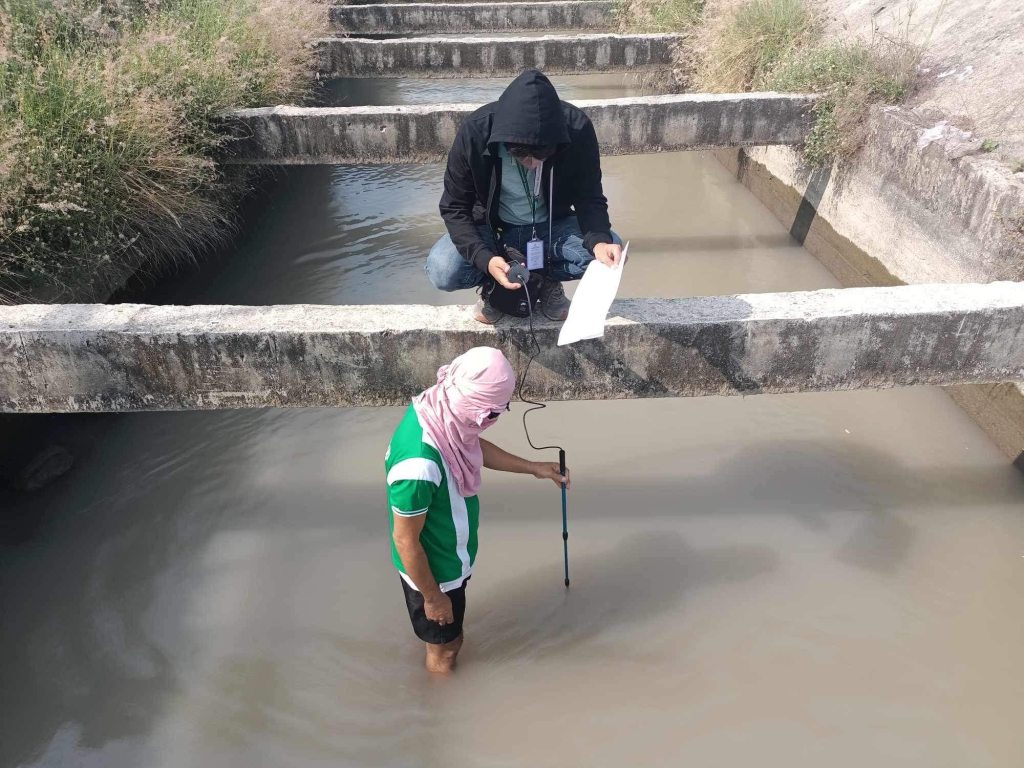
Through the National Irrigation Administration (NIA), farmers and Irrigators’ Associations (IAs) can also work in conjunction with one another in the management and preparation of irrigation facilities for unpredictable water conditions.
A Little Maintenance Goes a Long Way
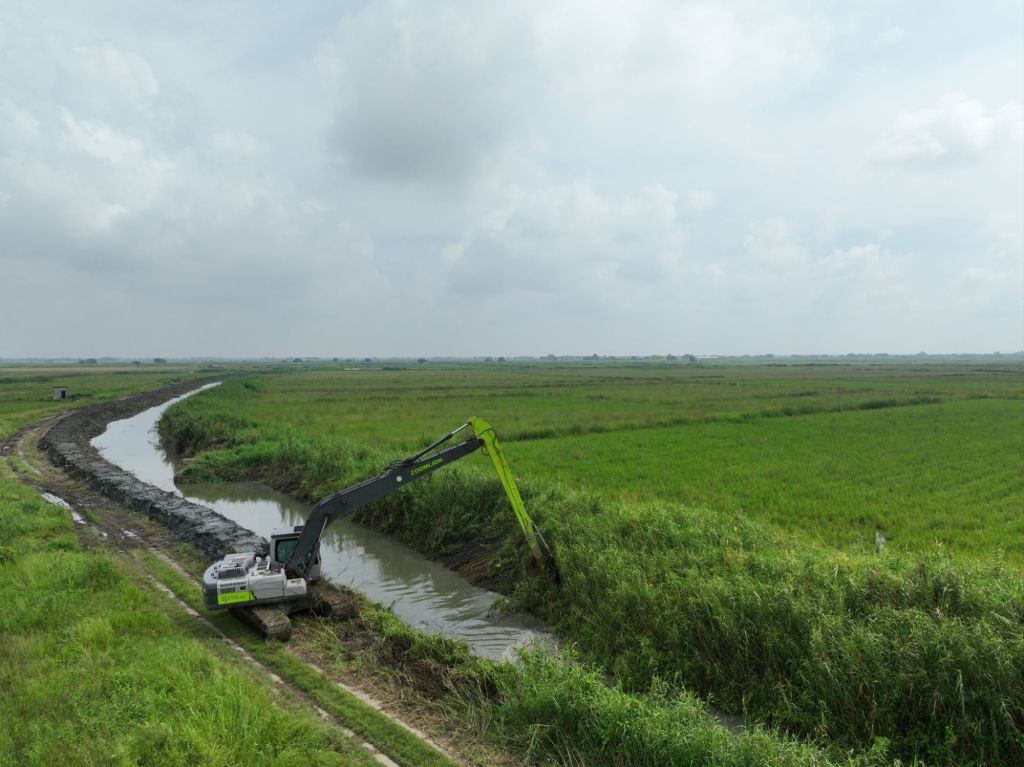
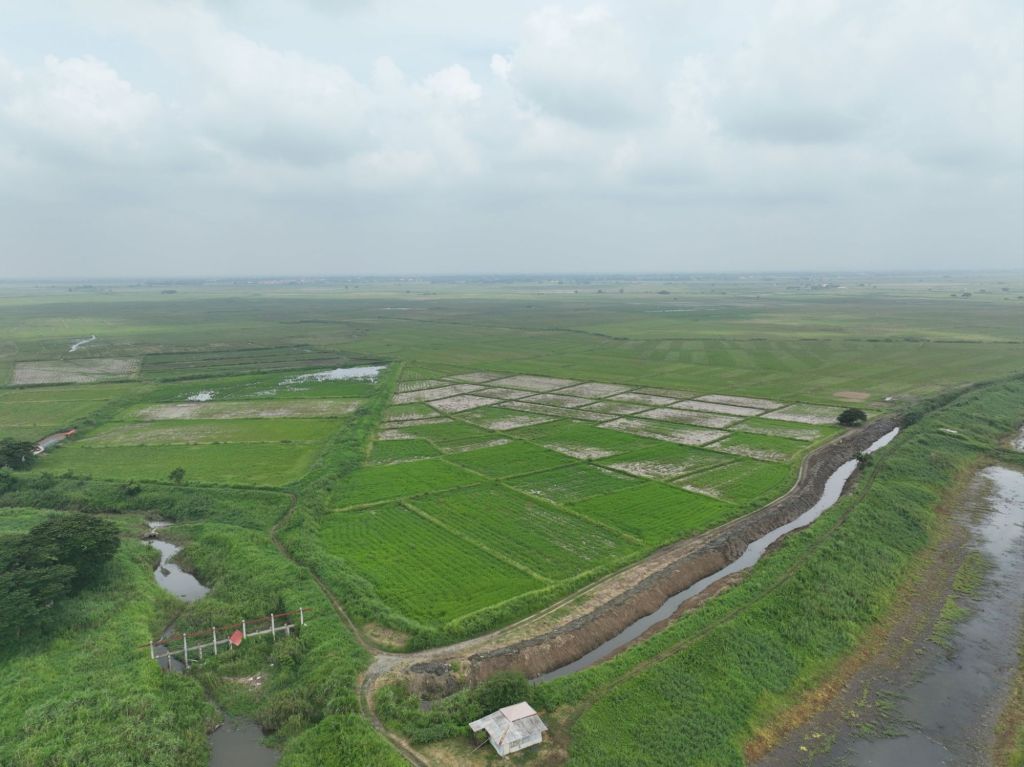
Keeping the irrigation canals and farm ditches clean and clear is among the simplest things we can do. By removing accumulated silt, weeds, branches, or other materials, this will ensure sufficient water flow within the irrigation system, and prevent water logging in the farmland during heavy rains. It also ensures that there will be sufficient water at the tail-end during the scarce season for irrigation.
Regular cleaning and maintenance of farm ditches and irrigation canals also prevents any damages to the bank of these waterways, which in turn, saves extra expenditure for repairs. Farmers, IAs, and concerned government agencies can work together in keeping irrigation facilities and waterways properly maintained. With all canals clean and clear, farmers are assured that they can address both water abundance and water scarcity conditions.
Planting According to Weather Conditions
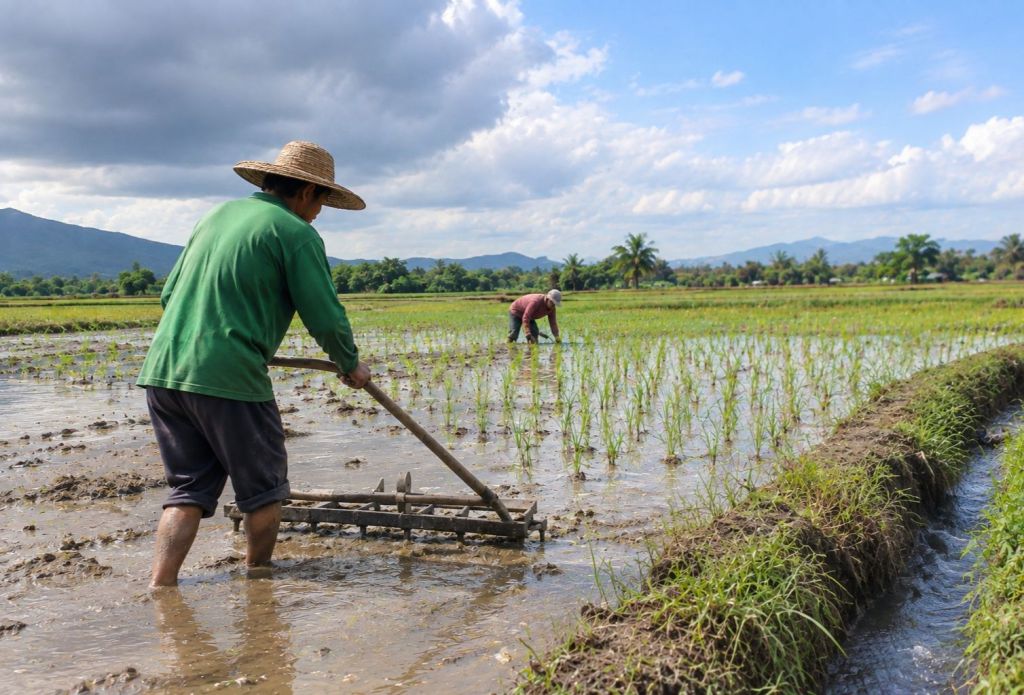
Depending on the field conditions, and the expected rainfalls, planting methods could be utilized to save on time, labor, and farm expenses. Farmers may choose to direct seed instead of transplanting seedlings at certain field conditions, or pre-germinated seeds may be directly seeded on a properly prepared and puddled field to minimize labor and waters at planting time.
Some farmers even practice “panggas” or dry seeding, where seeds are directly seeded on a dry soil and wait for the right time moisture or rains to come before germinating. What I think is the main thing in preparing rice fields for planting is considering field conditions and seeing if there are weather changes expected before transplanting or directing seeding.
Farmers, IAs, and concerned government agencies can work together in coordination to irrigation scheduling and availability of water. Being informed on the operation of the irrigation facilities can allow farmers the best timing to conduct field activities, and making the best of the available water.
Working Together Helps Everyone
Farmers don’t always have to face unpredictable weather conditions on their own.
By coordinating closely with local agricultural offices, and fellow farmers, managing water and preparing fields for planting can be made easier.
Coordinated irrigation scheduling helps farmers make the most out of the available irrigation water supply. It also helps meet the irrigation needs for downstream farmers in an irrigation scheme without sacrificing the needs of upstream farmers during dry seasons. Community activities such as suyod-kanal may also help in keeping irrigation canals and waterways free from debris that may restrict water flow, especially before the onset of the rainy season or heavy rains.
Farmers also have an important role in the irrigation system and field activities. Through early reporting of any damages, canal obstructions, or other observations made in the farm, farmers may ensure that the response to any of these incidents are properly and timely communicated and executed.
Sharing information is also as important, especially when an incident in the farm or irrigation facility has occurred. When farmers observe pest infestations, canal damages or blockages, unexpected water conditions, and other incidents in the field, sharing the observation with nearby farmers, IA, and appropriate government office can help in controlling and resolving any concerns before it becomes a major problem.
“Prepared Fields, Stronger Farming Communities“
Unpredictable weather conditions may be a problem that is hard to avoid. However, ensuring proper field and irrigation facility maintenance can go a long way in minimizing any losses that may be caused by these weather conditions. By keeping irrigation facilities unobstructed, practicing ideal planting techniques, managing water schedules, and working in conjunction with one another as agricultural communities, we can assure effective and efficient water delivery to fields and protect the rice fields from weather damage.
“We may not be able to control the weather, but we can always prepare for it.”
What practices have helped you in the past prepare for unpredictable weather? Share your experience with us in the comments!


Leave a comment