
Philippines is considered as an agriculture-driven country with a lot of portion living in the rural areas use farming as the main or secondary source of income.
Crop farming in the Philippines consists of planting rice and diversified crops such as corn, potatoes, and vegetables. And this is one of the main source of income of our Filipino farmers.
Challenges
Many Filipino farmers prioritizes planting of rice or corn specially on areas where water is available, either with or without existing irrigation systems.
Today, one of the most significant challenges in irrigation is the climate change. Most notably when El Niño phenomenon is dominant on the areas. As of this writing, 2024, El Niño nationwide is felt in the Philippines and is one of the main reasons of reduced rice yields in the most affected areas.
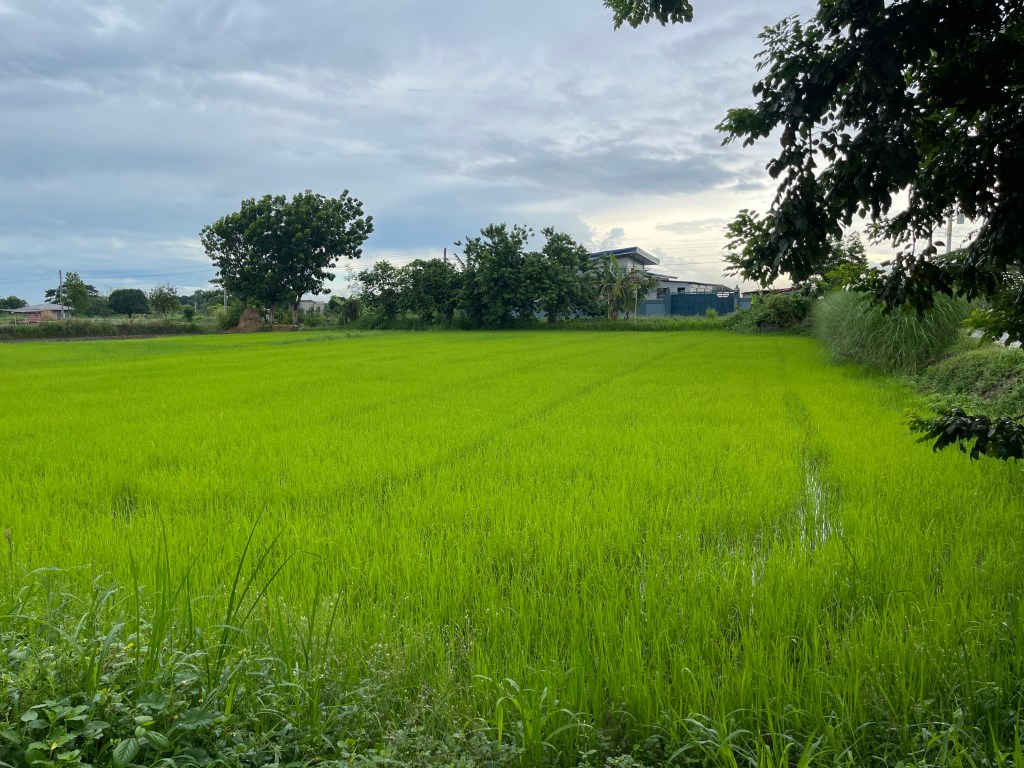
In recent years, farmers from Region 12, specifically at Lambayong River Irrigation System at Sultan Kudarat province, a new technology is being tested and incorporated in their farming practices. This is a WST or Water Saving Technology called Direct Dry Seeding or what they call Panggas.
Direct Dry Seeding or Panggas Practice
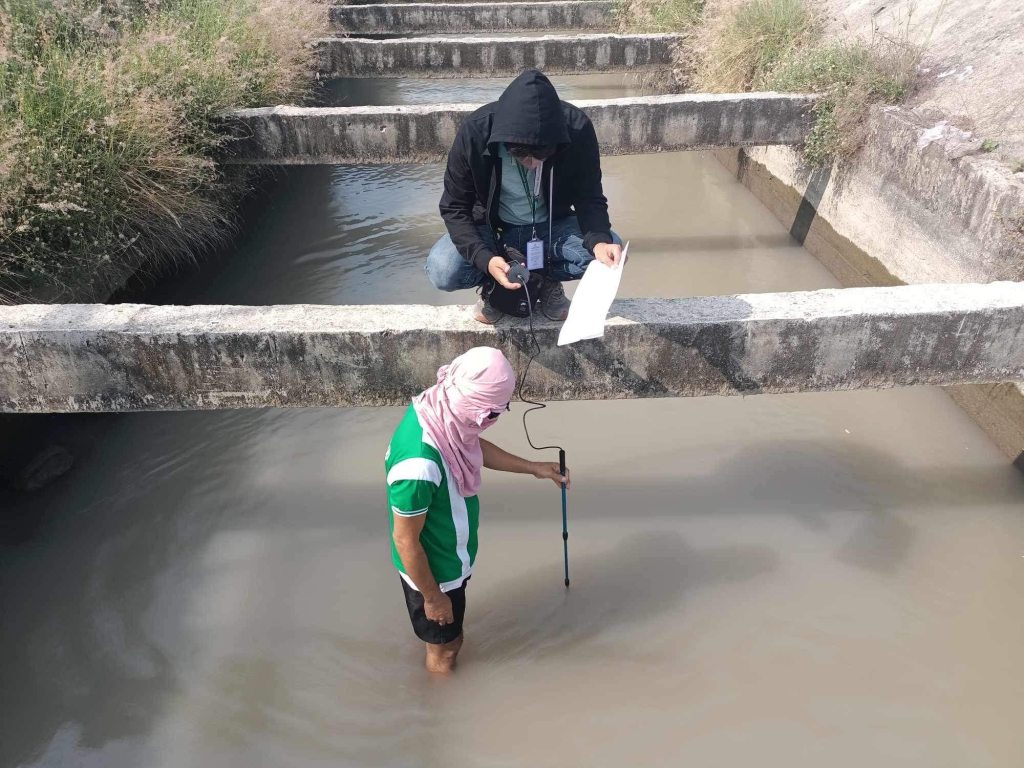
In planning for the irrigation activity in a certain area, we can say that a certain stage of irrigation consumes a significant amount of water. That is the land soaking. Not only it consumes a lot of water but also time.
Another factor that increases the production cost is the labor.
In the Panggas technique, some stages of the cultivation is being removed such as seed sowing, land soaking, seed pulling and transplanting. These activities large amount of resources such as water supply, labor and time, And so by removing them, it greatly affects and lessen the production cost of palay or rice.
The process includes dry land preparation and planting. For now, the said farmers of Region 12 practices broadcasting (manually spreading by hand) in distributing the seeds in the field during planting. Although this may be improved by using other techniques such as using drum seeder to minimize the seed requirement per hectare, the farmers already reap the fruit of this technology where they can now irrigate an increased percentage of areas than before using Panggas.
Notable Advantage in Irrigation Efficiency
Since the farm does not need land soaking and flooding during the growth stage, it increases the irrigation efficiency by saving water.
The farmers of Sultan Kudarat only starts irrigating the land on the crop maintenance stage where the flooding plays a critical role in the plant growth stage.
Conclusion
This is an example of Filipino farmer’s initiative as contribution in the journey of the country’s rice self sufficiency program. Showcasing not just the discipline of the farmers in the Philippines but also their being resourcefulness.
By adapting and improving in this practice, if it is adapted in other regions of the Philippines, it will bring huge impact in tackling the challenges of water shortages in the country.
 Philippine Agriculture
Leave a reply to Comparing Farmer’s Income for Dry Seeding and Transplanting Method of Palay in Floridablanca, Pampanga – Philippine Agriculture Cancel reply