Abstract
The recent succession of weather disturbances, including Tropical Depression Emong and the enhanced southwest monsoon (habagat), has once again demonstrated the vulnerability of Philippine agriculture to extreme weather events. This analysis examines the immediate impacts on agricultural production, particularly rice cultivation, and discusses adaptive strategies that Filipino farmers can implement to build resilience against future weather-related challenges.
Introduction
The past week has been particularly challenging for Philippine agriculture, with Tropical Depression Emong affecting northern Luzon while simultaneously enhancing the southwest monsoon or “habagat”. Agricultural damage has reached P648.04 million, while infrastructure damage has climbed to P3.8 billion, underscoring the significant economic impact of weather disturbances on our farming communities.
The Philippines’ position in the typhoon belt makes it one of the most disaster-prone countries globally, with agriculture bearing the brunt of these natural calamities. Understanding the patterns and impacts of these weather events is crucial for developing effective adaptation strategies that can protect both farmers’ livelihoods and national food security.
Recent Weather Impacts on Philippine Agriculture
Direct Crop Damage
Recent typhoon activity has particularly impacted rice and corn crops in northern Philippines, with at least P15 million in agricultural damage recorded in Zambales alone due to the combined effects of the habagat and three cyclones. The timing of these weather disturbances is particularly problematic as they coincide with critical growth stages of the wet season rice crop.
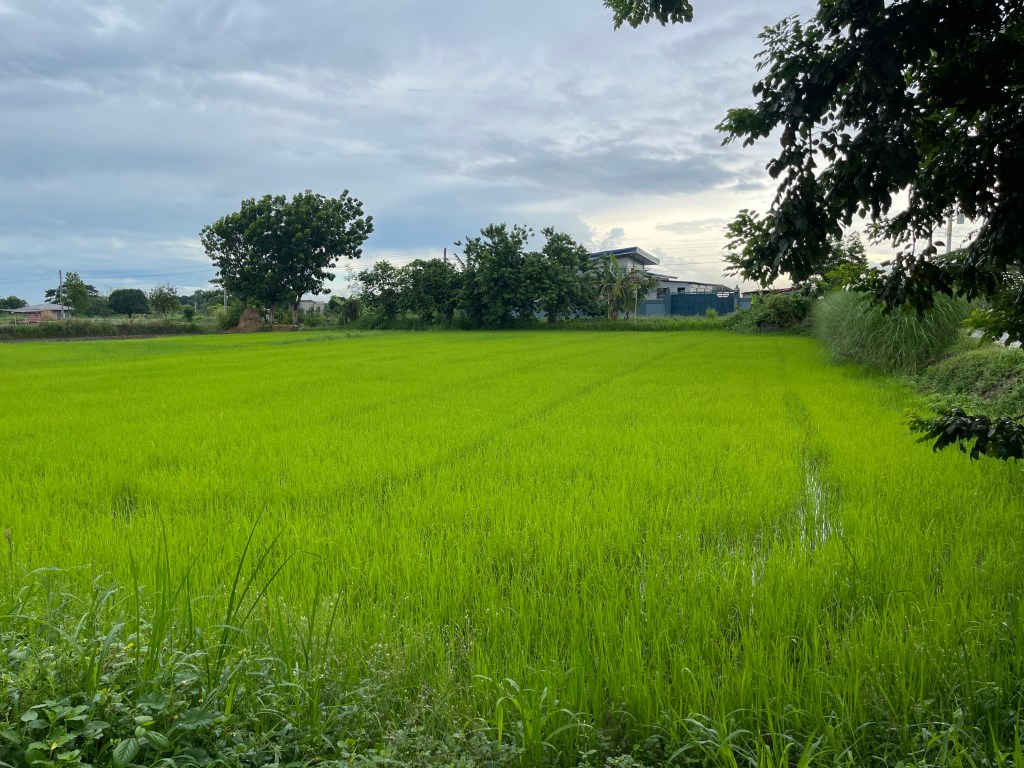
Rice, being the country’s staple food, is especially vulnerable to typhoon damage. Typhoons can cause considerable damage to rice production by exposing crops to strong winds and excessive rainfall. The recent events have demonstrated this vulnerability once again, with standing water in rice fields leading to potential yield losses and quality degradation.
Infrastructure and Irrigation Systems
Beyond direct crop damage, weather disturbances have severely impacted agricultural infrastructure. Power restoration efforts are ongoing in typhoon-affected areas like Pangasinan, which is crucial for irrigation pumping systems and post-harvest facilities. The disruption of irrigation infrastructure particularly affects areas dependent on pump irrigation systems, forcing farmers to rely on rainfall for their crops.
More than 1,500 houses have been damaged, and 173 road sections and 11 bridges have been affected across the archipelago, hampering the movement of agricultural inputs and produce. This infrastructure damage creates secondary effects that can be more devastating than the direct crop losses, as it disrupts the entire agricultural value chain.
Regional Variations and Affected Areas
Central Luzon was identified as the hardest-hit area, with more than 2.2 million people affected, while for Emong specifically, La Union and parts of Pangasinan bore the brunt of the impact. This regional concentration of damage highlights the vulnerability of major rice-producing provinces to weather disturbances.
Negros Occidental experienced heavy downpour and widespread flooding that inflicted agricultural damage exceeding P55 million, demonstrating that the impacts extend beyond the traditional typhoon path areas due to monsoon enhancement.
Adaptive Strategies for Climate Resilience
Timing and Planting Method Adjustments
Given the recurring nature of weather disturbances during the traditional planting season, farmers should consider adjusting their cropping calendars. The direct seeding methods previously discussed in this blog, such as the “Sabog-Tanim” (broadcasting) method, become particularly relevant during periods of weather uncertainty. These methods allow for quicker establishment and can be more resilient to waterlogged conditions compared to transplanted rice.
The “Panggas” or direct dry seeding method, which we have covered previously, offers additional advantages during unpredictable weather patterns. This method reduces the dependency on precise timing for transplanting and can better withstand variations in water availability.
Infrastructure Resilience
Investing in climate-resilient infrastructure becomes crucial for long-term agricultural sustainability. This includes:
- Improving drainage systems in rice fields to handle excessive rainfall
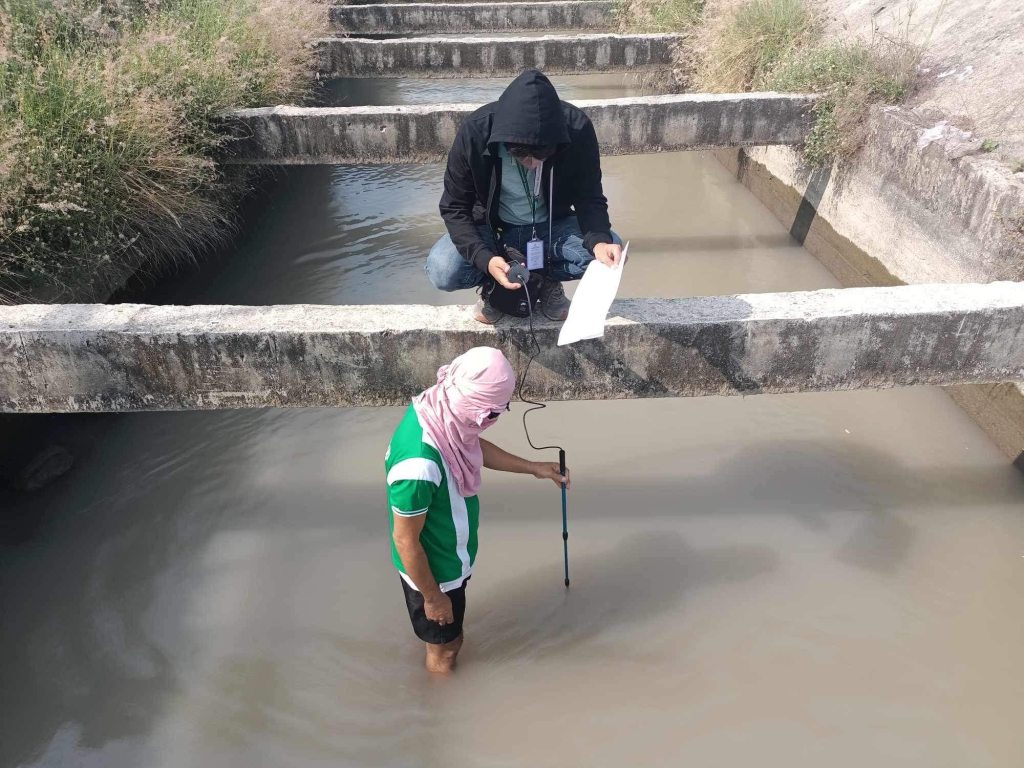
- Strengthening irrigation canals and implementing proper maintenance protocols
- Developing alternative power sources for critical agricultural facilities
- Establishing weather-resistant storage facilities for inputs and harvests
Crop Diversification and Variety Selection
Farmers should consider diversifying their crop portfolio to include climate-resilient varieties and alternative crops that can withstand extreme weather conditions. The development and adoption of flood-tolerant rice varieties, drought-resistant crops for areas affected by erratic rainfall patterns, and quick-maturing varieties that can escape peak typhoon seasons are essential strategies.
Government Response and Support Systems
The declaration of states of calamity speeds emergency funds and freezes the prices of commodities, including rice, providing immediate relief to affected communities. However, long-term resilience requires sustained investment in climate adaptation infrastructure and support systems.
The government’s Quick Response Fund and agricultural input assistance programs, as seen in previous typhoon responses, play crucial roles in helping farmers recover quickly. However, there is a need for more proactive measures, including:
- Early warning systems specifically designed for agricultural decision-making
- Crop insurance programs that adequately cover weather-related losses
- Investment in climate-resilient agricultural research and development
- Support for farmer education on climate adaptation techniques
Looking Forward: Building Long-term Resilience
The recent weather events serve as a reminder that Philippine agriculture must adapt to increasing weather variability. While the Philippines may remain cyclone-free until the end of July, the southwest monsoon will continue to bring persistent rains over western Luzon, indicating that weather-related challenges will continue.
Farmers and agricultural stakeholders must embrace integrated approaches that combine traditional farming wisdom with modern climate adaptation technologies. This includes adopting weather-resilient planting methods, investing in improved infrastructure, and diversifying agricultural systems to reduce risk.
Conclusion
The agricultural impacts from last week’s weather disturbances underscore the urgent need for comprehensive climate adaptation strategies in Philippine agriculture. While the immediate focus remains on recovery and rehabilitation, the long-term sustainability of our agricultural sector depends on building resilience against future weather extremes.
The combination of improved farming techniques, infrastructure development, and supportive policies can help Filipino farmers not just survive but thrive despite the challenges posed by our changing climate. As we move forward, the lessons learned from these recent events must inform our approach to building a more resilient and sustainable agricultural sector.
The path to agricultural resilience is not just about recovering from disasters—it’s about fundamentally transforming how we approach farming in a climate-vulnerable country. Through collaborative efforts between farmers, researchers, and policymakers, we can build an agricultural system that not only feeds the nation but also provides sustainable livelihoods for our farming communities, regardless of what weather challenges lie ahead.

 Philippine Agriculture
Leave a comment