Abstract
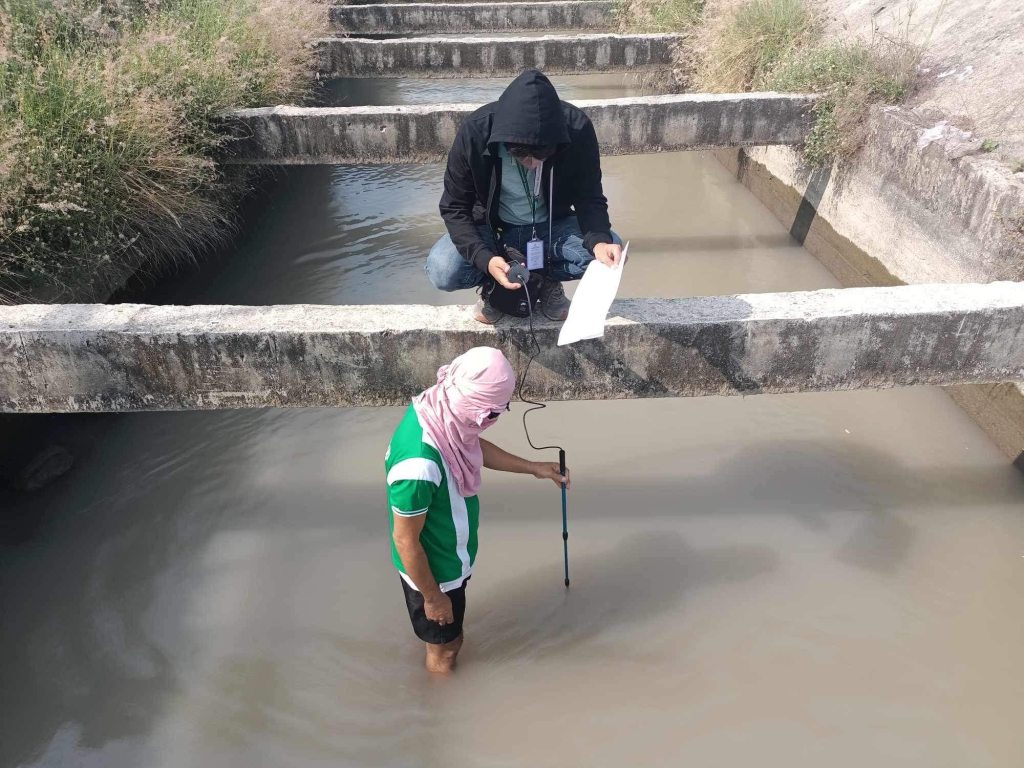
The advantage of today’s technology and funding leads to the modernization of irrigation facilities such as conveyance canals, from unlined (earth) to lined (concrete) canals. However, one of the biggest elements we are battling today is climate change, specifically global warming which brought significant effects in the run-off-the-river irrigation systems and reservoirs as well from the last year (2023) up to this year where we are currently experiencing lack of water in the rivers in spite of the onset of rainy season for type 1 climate.
Due to this situation, farmers are forced to think and apply various water saving technologies such as dry-seeding to start planting without the need of land soaking of paddy which requires a significant amount of water at the early stage of palay growth. However, the key to applying this method is the proper and enhanced water management to ensure timely and efficient water delivery on lateral canals, optimizing the available water supply with least wastage from various factors such as oversupply on other laterals reducing the supply on the others causing for imbalance distribution and inefficient irrigation.
Attaining high irrigation efficiency shows supplying the fields with adequate irrigation with minimum diversion requirements. We can see that efficiently managing irrigation water resources not only gives us water saving, but also helps us overcome the El Niño phenomenon which we are currently experiencing.

 Philippine Agriculture
Leave a comment