Rice self sufficiency is one of the programs of the Philippine Government as part of the answer to the Filipino poverty. By reducing rice importation and a possible exportation if ever this goal is achieved and surpassed, will definitely increase the livelihood of the Filipino farmers.
Because of this, most farmers in the Philippines contributes to rice crop production if permitted by various factors such as adequate irrigation supply and suitable soils.
Method of Plantings
There are various methods of planting of rice practiced in the country. The traditional and considered as the most reliable one is the transplanting method.
Transplanting Method
This method is known to be more organized and efficient method of planting. This comprises of land soaking, land preparation, seed sowing, seed pulling, and transplanting. After the seed grows into an age suitable for pulling (normally 30 calendar days), they are transplanted into the permanent plots for it to grow until harvest.
The requirements for water in this kind of planting are significant high specially in land soaking stage. However, this is still the recommended method specially for areas with adequate available irrigation water.
For areas with less supply of irrigation water or when the duration of the water supply is inadequate for the full crop production duration, other methods are being use is planting. One of those is the direct seeding.
Direct Seeding
When the water for irrigation is scarce, some farmers resorts to this method. The direct seeding method.
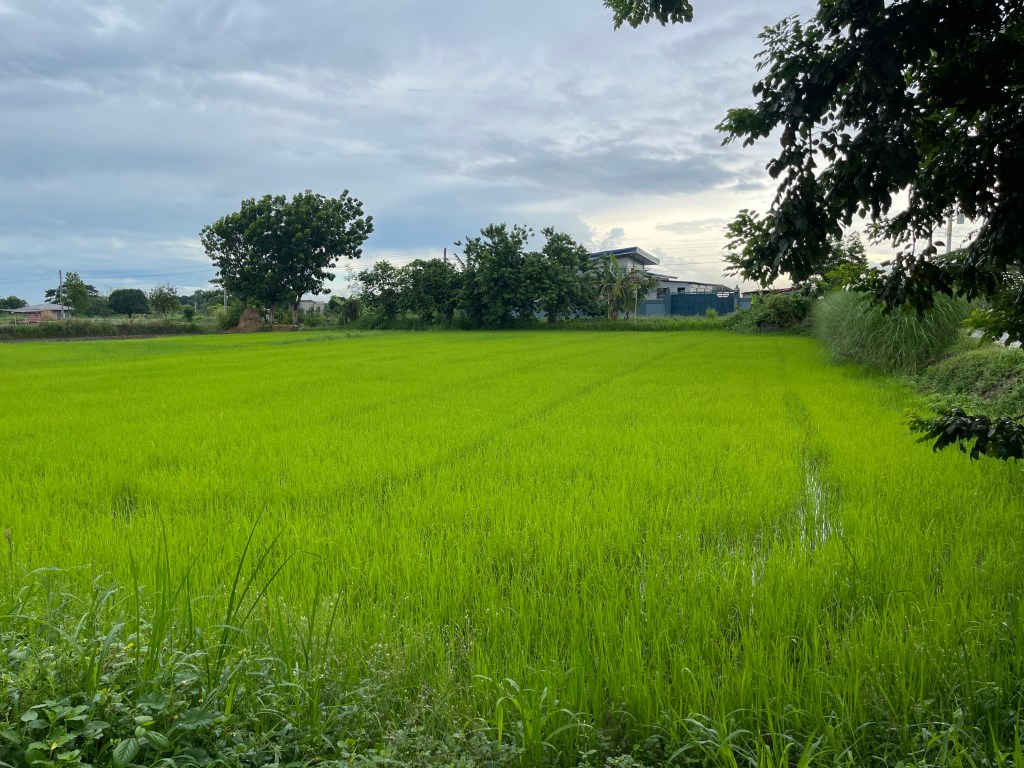
Direct seeding refers to the method of planting where there are no seed sowing is performed. The seed is directly planted to the final plot areas and just wait for them to germinate and grow with little amount of water necessary.
Advantage
The main advantage of direct seeding is that the farmers does not need to wait for the water delivery or availability of water in order to plant rice seeds. They just have to prepare the plots and directly plant the seeds.
Another huge advantage of direct seeding is the cost advantage. The laborers needed in this method is very minimal, Like up to 80% less then when using the transplanting method.
One of the advantages of this method is the shortened period for the requirement of watering the field. This is very useful when, for example, the length of rainy season is shortened, or when the farmers are trying to avoid months of typhoons crossing the area.
Challenge
The following are some challenges and sometimes seen as disadvantages of direct seeding.
- Uncertainty of germination of some seeds
- Uneven distribution and growth of palay (for broadcasting or sabog-tanim)
- Higher seed rate requirement per hectare (when using broadcasting)
Broadcasting or Sabog-Tanim
The term sabog-tanim pertains to the method of the farmer distributing the seeds into the plot areas using their hand.
Some of the farmers or Irrigator’s Associations adapting this method are farmers from Floridablanca, Lubao and Guagua, Pampanga. Due to the lack of water and delay of onset of rainy seasons these recent years, specially 2023 and 2024, they have increased their use of the sabog-tanim method.
The planter will carry a container with them filled with the rice seeds, then they will grab a handful of seeds and throw them in a controlled way in the left and right directions while walking.
This is very cost effective compared to the transplanting method. If in transplanting, the field requires ten (10) planters, in sabog tanim, it will only require at least one or two planters! And that is by completing the planting task with the same amount of time!
Known Issues and Mitigation
The challenges and disadvantages mentioned above (specially those noted with “broadcasting” are sometimes mitigated. That is by improvement by practice.
Over the years of farmers practicing this method, they are also studying how to provide measures as to lower the seed rate they are using. Because also of several years of practice and experimentations, farmers or planters are getting a grasp of how to distribute evenly the seeds when planting. They have started to improve their estimation of throws and swings of the palay.
Conclusion
We are familiar with the phrase “Desperate times calls for desperate measures”. For the farmers of Pampanga and other parts of the Philippines adapting this method, they have “Challenging times calls for creative farmers”.
This showcases the Filipino farmers’ giving importance into the rice self-sufficiency program of the Government and how they contribute in achieving that goal.

 Philippine Agriculture
Leave a comment